Building a Deck on a Budget: Cost-Effective Options for Residential Property Owners
Creating a deck within a budget is a realistic goal for many homeowners. The struggle to balance quality and affordability is something they commonly experience. Through the use of cost-effective materials and thoughtful design decisions, it's possible to build an attractive outdoor area while staying within budget. A solid grasp of budgeting and upkeep fundamentals can greatly improve the outcome. Achieving a stunning deck starts with well-informed choices that meaningfully impact the final result. Which approaches will produce the most favorable outcomes?
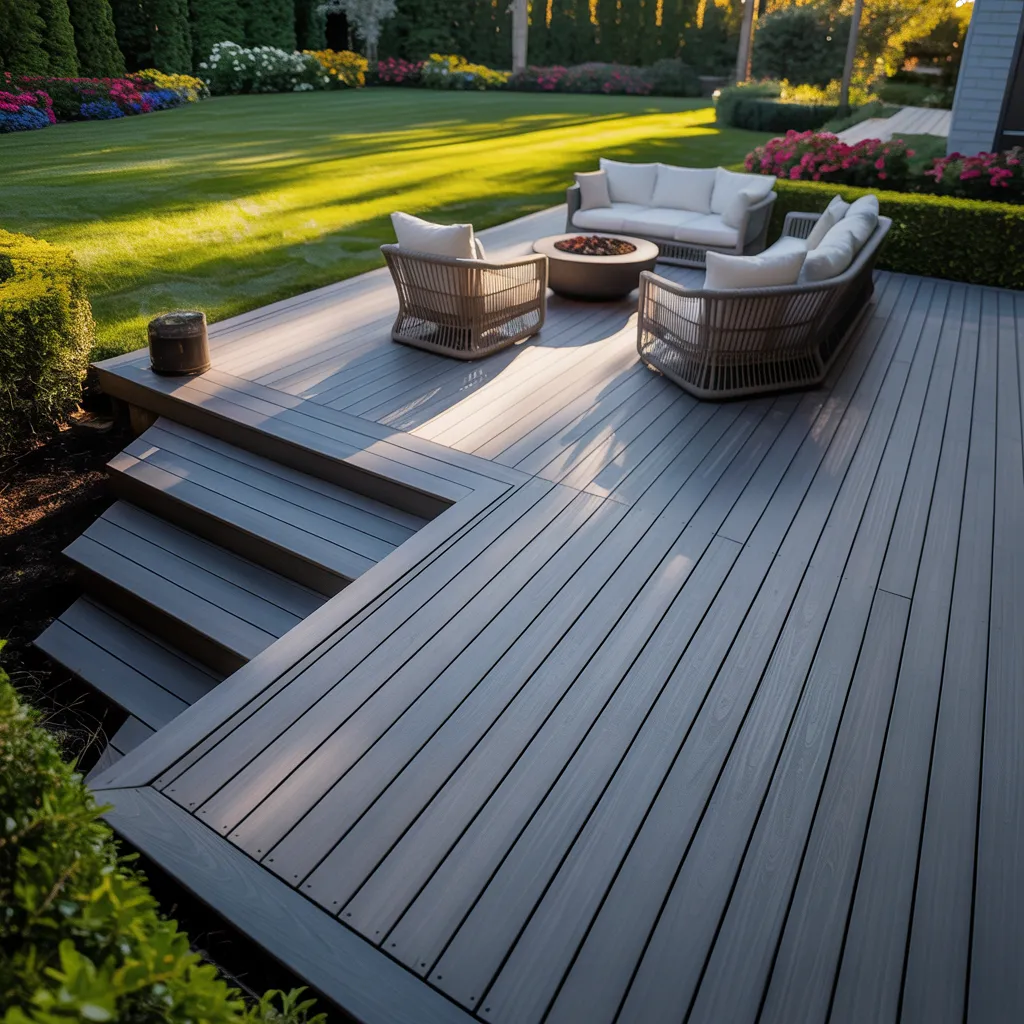
Choosing Budget-Friendly Decking Materials
When thinking about a deck renovation, homeowners often emphasize affordability without compromising on quality. A key factor budget limitations is the selection of decking materials. Pressure-treated lumber remains a popular option because of its cost-effectiveness and durability. It needs periodic maintenance but provides a natural aesthetic that many homeowners appreciate. Composite materials, while initially more expensive, can offer long-term savings through reduced maintenance needs and increased lifespan. Recycled plastic lumber presents yet another option, combining durability with eco-friendliness. Homeowners may also consider PVC decking, which offers resistance to decay and color loss. Material selection is further shaped by climate considerations, as some options are better suited to specific weather conditions. At the end of the day, the ideal decking material should match both financial constraints and the intended lifespan of the deck, ensuring a balance between cost and value.
DIY Tips for Budget-Friendly Deck Designs
Upgrading a outdoor space with a cost-effective deck layout can be both gratifying and cost-effective. Property owners seeking to establish a beautiful exterior living area can initiate the process by going with basic geometric patterns, which reduce unnecessary material use and construction costs. Incorporating reclaimed wood or pallets can greatly improve economic value while adding character to the finished look.
Integrating permanent seating can maximize space and eliminate the need for additional furniture, while planters can be integrated into the deck's design for a touch of greenery. Homeowners might also explore incorporating concrete blocks or pavers for a sturdy foundation, enabling a unique and long-lasting surface.
Personal projects like applying paint or stain to the deck can add a personal touch without breaking the bank. Additionally, looking into local building codes and regulations ensures the project stays compliant and prevents unforeseen costs. With careful planning, a beautiful, budget-friendly deck is within reach.
Clever Budget Planning Tips for Your Deck Project
Smart budgeting is key to a successful deck project, allowing homeowners to achieve their vision without overspending. To begin, establishing a clear budget is critical; homeowners should determine a maximum amount they are willing to spend before beginning the planning process. This amount should cover materials, labor, and any unforeseen expenses.
Furthermore, ranking features enables homeowners to direct their attention to the most important aspects of their deck, ensuring that essential elements are included within the budget. Investigating local suppliers can uncover more affordable material costs, while reviewing estimates from multiple contractors can generate substantial savings on installation costs.
Additionally, creating a detailed list of necessary materials and expenditures aids in tracking expenditures throughout the construction project. Property owners should also consider reserving a contingency fund, typically around 10% of the total project budget, to cover unforeseen expenses that may emerge during the building process.
Cost-Effective Alternatives to Deck Features
While many homeowners envision high-end features for their take the first step decks, there are numerous cost-effective alternatives that can deliver a like appearance without overstretching finances. As an example, choosing composite decking materials can provide the look of wood without the maintenance, while proving more economical over time. Rather than costly built-in seating, homeowners can use weather-resistant outdoor furniture or DIY benches made from reclaimed materials.
Railings offer yet another avenue where expenses can be reduced; choosing straightforward cable railings or treated wood over elaborate metal alternatives can preserve both safety and style. Lighting can be enhanced with solar-powered fixtures, offering ambiance without the installation costs of electric systems. Lastly, decorative touches such as potted plants or outdoor rugs can introduce character and warmth, demonstrating that creativity can replace spending in creating an inviting outdoor area.
Economical Deck Maintenance Tips
Routine upkeep is critical for increasing the longevity of a deck without spending a fortune. Property owners should begin by consistently cleaning the deck with a combination of soap and water, which helps prevent mold and mildew buildup. Employing a firm-bristle brush can thoroughly clear away dirt, ensuring a clean appearance.
Inspecting the deck routinely for damaged boards or exposed nails is essential. Timely repairs can stop larger issues from developing and prove cost-effective in the future. Applying a protective sealant every two to three years is an economical way to guard against the elements, prolonging the deck's lifespan.
In addition, removing plants and furniture from the deck can minimize wear and tear. Property owners should also bring cushions and accessories inside during extreme weather to maximize their useful life. By applying these easy yet valuable upkeep suggestions, homeowners can preserve a attractive and well-functioning deck without spending a fortune.
Transforming Small Spaces With Budget-Conscious Decks
Imagination plays an essential role in converting limited exterior spaces into welcoming deck spaces that optimize practicality and visual appeal. This can be accomplished by choosing streamlined, multi-purpose pieces, which enables leisure and social gatherings without dominating the environment. Incorporating vertical greenery can enhance visual appeal and provide greenery without requiring extensive ground space.
Including custom seating or storage elements can additionally improve functionality, making sure every square foot serves a purpose. Opting for lighter-colored finishes can generate a sense of openness, making the area feel larger.
Moreover, homeowners may want to explore adaptable designs that can be readily adjusted for various events, offering flexibility in usage. Basic lighting elements, such as hanging lanterns or string lights, can elevate the atmosphere without occupying physical space. Ultimately, careful design decisions and cost-effective materials allow property owners to build charming outdoor spaces that cater to their needs, even in compact outdoor settings.
Frequently Asked Questions
What Are My Financing Options for a Deck Project on a Limited Budget?
To fund a deck project while keeping costs low, one might consider low-interest credit cards, personal loans, or grants from local government programs. Additionally, considering a do-it-yourself approach or staged building plans can help manage costs effectively.
What Permits Are Required for Building a Deck?
To install a deck, a homeowner typically requires a structural permit, which confirms conformity with local codes. Additional permits may be needed for electrical and plumbing installations, according to the location and scope of the project.
How Long Will My Budget Deck Last?
A basic deck usually endures for ten to fifteen years, subject to materials and maintenance. Factors such as environmental conditions, utilization, and construction standards also greatly influence the durability of the deck. Consistent maintenance can prolong its life.
Can a Deck Be Built in Winter?
Certainly, one can construct a deck during winter, but it necessitates thorough planning. Low temperatures can affect materials and curing times, so using appropriate techniques and equipment is essential for successful construction during this season.
What Tools Do I Need for a Budget-Friendly Deck Build
Key tools needed for an affordable deck construction include a drill, saw, level, square, measuring tape, and safety equipment. Such equipment provides both precision and safety while reducing overall costs, making it possible to complete the project without unnecessary spending.